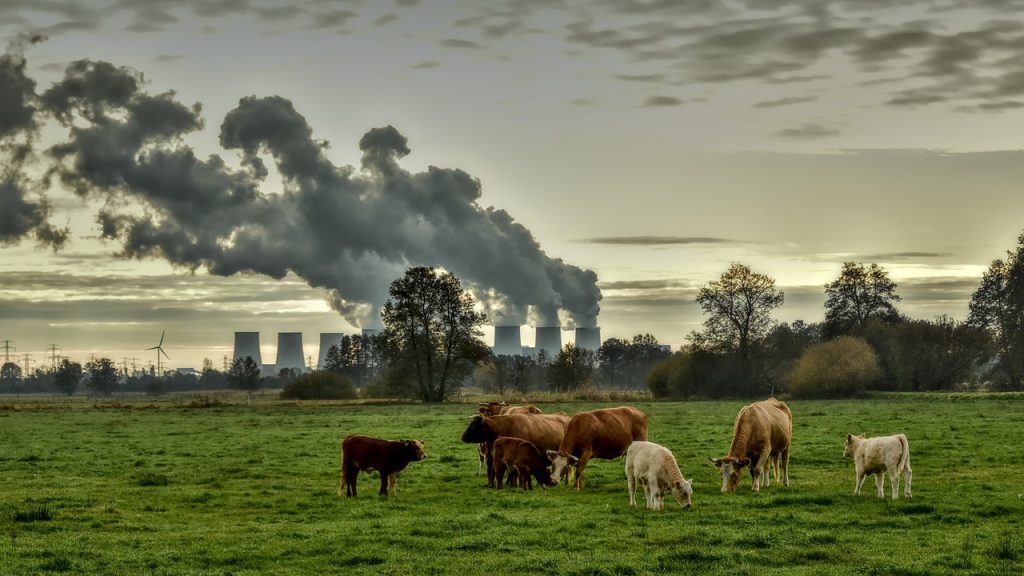
The Unforeseen Consequences of Climate Change on Agriculture: A Look at the Risks and Potential Solutions

Agriculture is a vital sector that supports the livelihoods of millions of people around the world. However, it is also vulnerable to the impacts of climate change, which can have unforeseen consequences on food security and the economy.
Some of the risks of climate change to agriculture include:
- Rising temperatures: As the Earth’s temperature rises, the amount of water that evaporates from the soil increases, leading to drought conditions and reduced crop yields.
- Changes in precipitation patterns: Climate change can also lead to changes in precipitation patterns, causing some areas to experience more frequent and severe droughts.
- Extreme weather events: Extreme weather events, such as heatwaves and drought, are becoming more frequent and more severe due to climate change. These events can damage crops and disrupt the growing season.
- Changes in the distribution of pests and diseases: Climate change can lead to changes in the distribution of pests and diseases, which can affect crop yields.
- Water availability: Changes in temperature and precipitation patterns can affect the availability and quality of water for irrigation, making it more difficult to grow certain crops in certain areas.
To mitigate the risks of climate change on agriculture, it is important that we take action to combat climate change. This includes transitioning to renewable energy sources, protecting and reforestation, and reducing our greenhouse gas emissions. In addition, farmers can adopt adaptive measures such as using drought-resistant crops and implementing more efficient irrigation systems.
By taking action now, we can protect our planet and ensure a healthier and more sustainable future for all.