• 0722 506 095
  • office@greenupworld.com
  • Europe
Conversion to organic farming in the context of European legislation

Conversion to organic farming in the context of European legislation

In recent years, the European Union (EU) has made significant efforts to promote and support the transition to organic farming. This shift towards more sustainable and environmentally-friendly agriculture has been driven by a range of factors, including increasing consumer demand for organic products, concerns about the environmental impacts of conventional farming, and the need to address climate change and promote…

The Pros and Cons of Conventional and Organic Farming: A Comprehensive Comparison

The Pros and Cons of Conventional and Organic Farming: A Comprehensive Comparison

Farming is a vital industry that plays a key role in feeding the world’s population. However, there are different approaches to farming, and a debate has emerged over which method is best: conventional farming or organic farming. To understand the differences between these two methods, it is important to consider the pros and cons of each. Conventional farming involves the…

The Environmental Consequences of Pesticide Use in Farming

The Environmental Consequences of Pesticide Use in Farming

Pesticides are designed to kill or control pests, but they can also have unintended consequences on the environment and on non-target species. Pesticides can be toxic to a wide range of organisms, including birds, fish, and beneficial insects like bees and butterflies. They can also be harmful to humans, especially when ingested or inhaled in large amounts. Pesticides can affect…

About solar panels

About solar panels

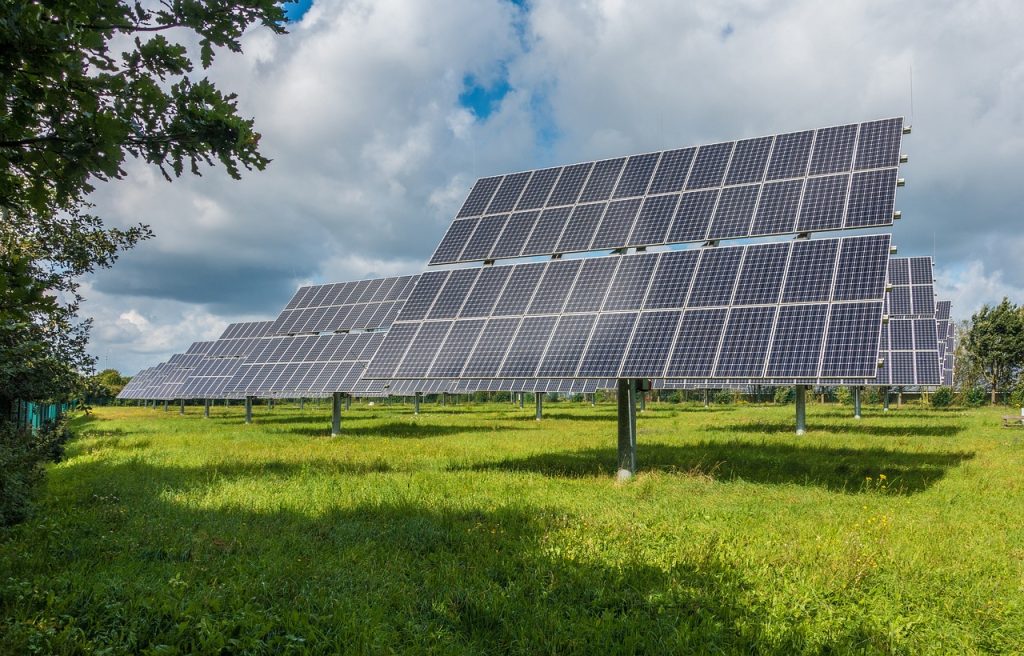
Solar panels are devices that are used to convert sunlight into electricity. They are made up of photovoltaic cells that are arranged in a grid-like pattern on the surface of the panel. When sunlight hits the cells, it causes the electrons in the cells to become energized and flow, generating an electric current. There are many types of solar panels…

The Future of Farming: A Look at the Transition to Organic Agriculture

The Future of Farming: A Look at the Transition to Organic Agriculture

Organic farming is a method of agriculture that focuses on using natural methods to grow crops and raise livestock, rather than relying on synthetic fertilizers, pesticides, and other chemicals. One of the key benefits of organic farming is the environmental benefits it offers. Some of the environmental benefits of organic farming include: By adopting organic farming practices, farmers can play…

From Conventional to Organic: The Journey of a Farmer

From Conventional to Organic: The Journey of a Farmer

Converting to organic farming can be a challenging and time-consuming process, but for many farmers, the benefits outweigh the costs. Organic farming involves using natural methods and materials to grow crops and raise livestock, rather than relying on synthetic pesticides and fertilizers. In addition to being more environmentally sustainable, organic farming can also be more profitable, as consumers are willing…

The Pros and Cons of Organic Farming: A Comprehensive Look at the Transition Process

The Pros and Cons of Organic Farming: A Comprehensive Look at the Transition Process

Organic farming is a method of agriculture that focuses on using natural methods to grow crops and raise livestock, rather than relying on synthetic fertilizers, pesticides, and other chemicals. Organic farming is popular with consumers who are looking for healthier and more sustainable options, and it can be a rewarding way for farmers to grow their crops and raise their…