Blog
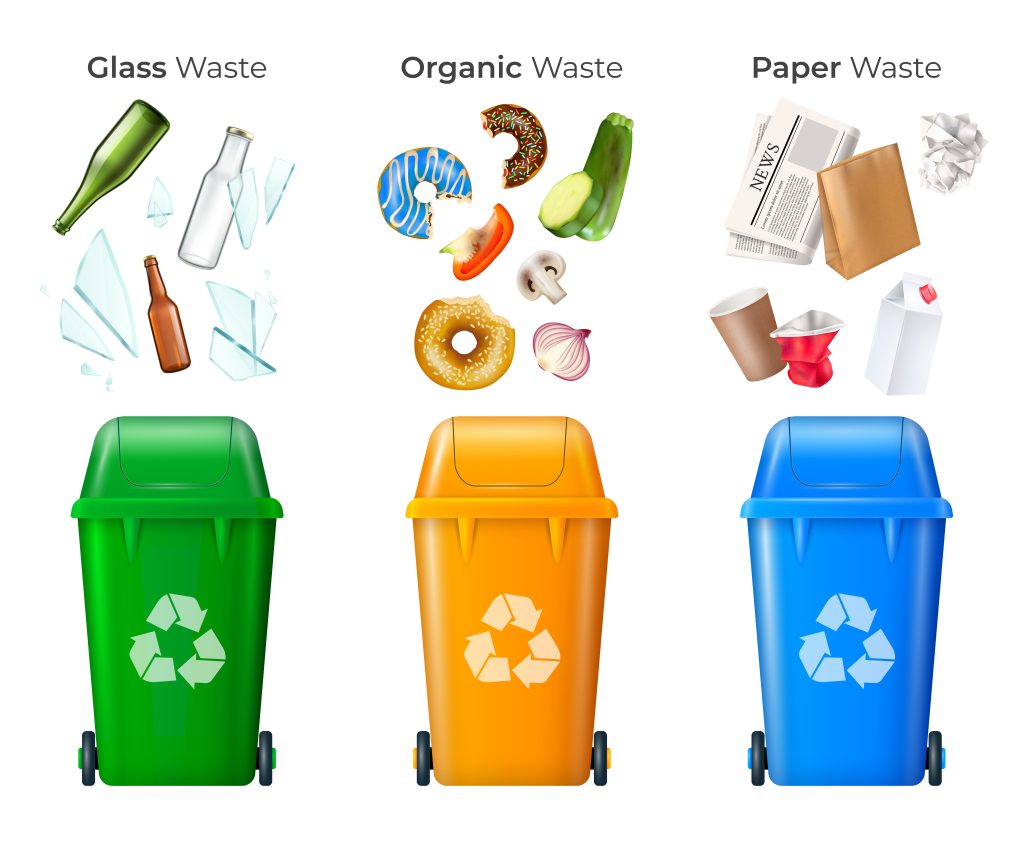
Sorting household waste

Sorting household waste is an important step in reducing the amount of waste that ends up in landfills and ensuring that recyclable materials are properly processed. Here is a guide on how to sort household waste:
- Recyclables: Many common household items can be recycled, including paper, cardboard, plastic bottles and containers, metal cans, and glass bottles and jars. These items should be placed in a designated recycling bin or taken to a local recycling center. It’s important to rinse out any food or liquid residue before recycling to prevent contamination.
- Organic waste: Food scraps and yard waste can be composted at home or taken to a community composting facility. These materials break down over time, providing a rich source of nutrients for plants.
- Hazardous waste: Some household items, such as batteries, electronics, and chemicals, should not be disposed of in the regular trash because they can be harmful to the environment and human health. These items should be taken to a hazardous waste facility or collection event for proper disposal.
- Landfill waste: Non-recyclable or non-compostable items, such as Styrofoam and single-use plastics, should be placed in a landfill bin. It’s important to try to reduce the amount of waste that ends up in landfills by choosing reusable or compostable alternatives whenever possible.
To learn more about household waste sorting, you can visit the website of your local waste management agency or refer to resources such as Earth911 (www.earth911.com) and the Environmental Protection Agency (www.epa.gov). These organizations can provide information on local recycling programs and facilities, as well as tips on reducing waste and living a more sustainable lifestyle.
Mincu Mihai
0